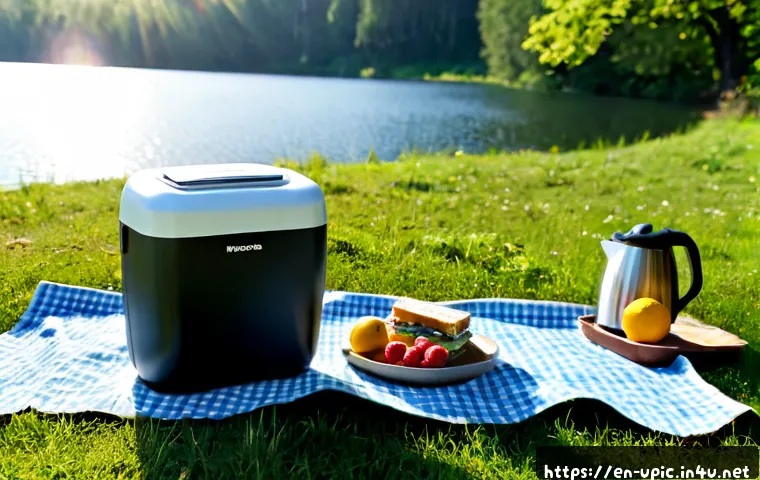
For most picnics, the most worthwhile portable appliances are a reliable cooling option, a simple charging solution, and safe lighting. Add coffee, blending, or cooking gear only when it fits your group, location, and available power.
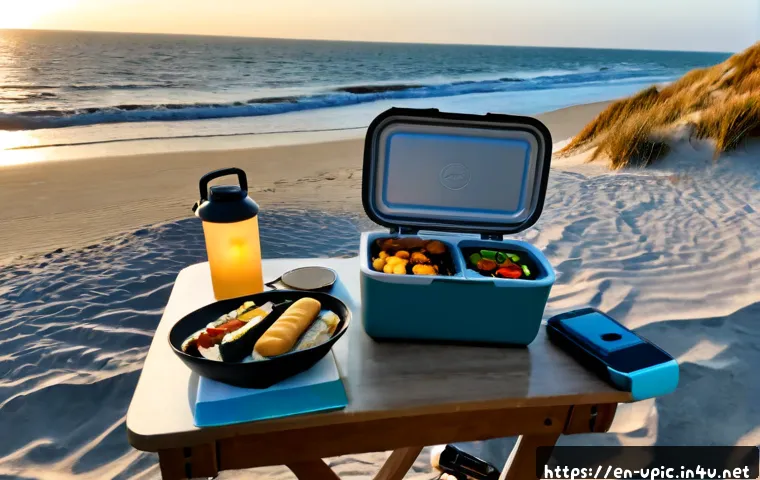
An insulated cooler is often the easiest choice for short outings, while an electric cooler can make more sense for a full-day family trip with suitable power.
Portable power stations are useful when you need to run more than phones and small USB devices, but capacity, wattage, and carry weight matter more than marketing claims.
The best setup is not the one with the most gadgets—it is the one that keeps food comfortable to serve and the day easy to manage. Before buying, consider how far you must carry everything, whether power is allowed, and what you will actually use.
At a Glance
- Short picnic: An insulated cooler, USB power bank, and compact lantern usually cover the basics.
- All-day outing: Consider an electric cooler only when you have a suitable vehicle outlet, battery, or portable power station.
- Group picnic: Plan power around appliance wattage, food cooling needs, and the weight you can realistically carry.
| Option | Power Need | Portability | Best Use | Key Check Before Buying |
|---|---|---|---|---|
| Insulated cooler | None | Depends on size and loaded weight | Short trips and simple food storage | Carry style, ice space, and food organization |
| Electric cooler | Vehicle outlet, rechargeable battery, or portable power station | Usually more demanding to transport | Longer outings with cooling needs | Wattage, compatible power source, and manufacturer guidance |
| USB power bank | Rechargeable battery | High | Phones, small lights, and USB accessories | Ports and device compatibility |
| Portable power station | Rechargeable battery | Varies with capacity and weight | Multiple devices or larger appliances | Capacity, output wattage, ports, and carry weight |
The Portable Picnic Gear That Adds Real Comfort
Quick answer: start with cooling, charging, and lighting before novelty gadgets
The most useful picnic appliances solve ordinary problems. Cooling helps protect perishable food, charging keeps phones available, and lighting makes a sunset picnic easier to enjoy. A compact coffee maker or portable blender can be fun, but it should come after the basics are covered. If an item needs a large battery, extra cables, and a difficult walk from the parking area, it may add more work than comfort.
Match every device to your picnic length, group size, and location
A couples’ lunch in a nearby park has very different needs from a family day at the beach. For a short visit, an insulated cooler and power bank may be enough. A longer gathering may justify an electric cooler, a fan, or a portable power station, provided the site allows the setup. Think about the number of people, the outdoor temperature, the distance from the car, and whether you will stay through the evening.
The three power questions to answer before packing
First, what does the appliance require? Check whether it runs from USB power, a vehicle outlet, an internal battery, or an AC outlet from a portable power station. Second, how much wattage does it use? Higher-wattage appliances can drain a battery more quickly. Third, how long will you use it? Runtime depends on wattage, battery capacity, outdoor temperature, and how often the device runs.
Compare Cooling, Coffee, Cooking, and Power Options
Insulated cooler vs. electric cooler: which offers better value?
An insulated cooler is usually the lower-complexity choice. It needs no electricity and can be practical when packed with properly chilled food and drinks. An electric cooler adds active cooling, but it also creates a power-planning task. Cooling devices generally work more efficiently when you load them with pre-chilled items before leaving home. Do not treat any electric cooler like a freezer unless its manufacturer specifically says it can perform that role.
Compact coffee makers, blenders, and kettles: when they are practical
These appliances work best when the picnic itself is food- or beverage-focused. A coffee setup can suit a quiet morning outing, while a blender may fit a planned drink station. A kettle or other heating appliance deserves extra caution because it may require substantial power and a stable surface. Keep outdoor electrical equipment dry, level, and away from foot traffic. Also check whether local rules restrict electrical equipment, open-flame cooking, or other event-style setups.
Portable power banks vs. power stations: capacity, ports, and weight
A USB power bank is a simple fit for phones, small lamps, and compatible USB accessories. A portable power station is more appropriate when you need several ports or want to power an electric cooler or other appliance. The tradeoff is weight and complexity. Compare output wattage, battery capacity, available ports, charging methods, and total carry weight before choosing a portable power station.
Typical budget tiers in U.S. dollars and what changes at each level
Rather than relying on a fixed price range, compare current U.S. retail listings by setup type. Basic spending generally focuses on an insulated cooler, rechargeable lantern, and power bank. A mid-level setup may add an electric cooler or larger battery solution. A larger powered setup can include a portable power station and several accessories, but it also requires more planning. Check current product prices, warranty terms, noise information, and included cables directly on the relevant product page before deciding.
Build a Safe, Reliable Outdoor Power Setup
Check wattage, battery capacity, and estimated runtime
Do not buy a battery solution based only on broad claims. Start with the appliance’s listed wattage, then compare it with the power station’s output and battery capacity. Remember that actual runtime is not fixed. Temperature, cycling behavior, and frequency of use can change results. If your picnic depends on cooling, build in a backup plan rather than assuming one battery will cover every condition.
Keep cables, batteries, and appliances away from moisture and foot traffic
Place equipment on a stable, level surface. Keep cords arranged where people will not trip over them, and protect electrical equipment from moisture. Do not assume a device is suitable for rain, sand, high heat, or uneven ground without checking the manufacturer’s guidance. A simple picnic layout with fewer cables is often safer and easier to manage.
Pre-chill, pre-charge, and test equipment at home
Pre-chill food and drinks before loading a cooler. Fully charge power banks and portable power stations before departure. Test the appliance, cable, and outlet compatibility at home, especially if you are using a vehicle outlet or a new electric cooler. This small check can prevent arriving with the wrong connector or an appliance that does not fit your planned power source.
Confirm park, beach, and campground rules before arrival
Rules can differ by location. A park, beach, or campground may restrict generators, amplified sound, open flames, or certain electrical setups. Confirm the rules before you pack powered gear. Vehicle-based electricity may also be subject to site-specific restrictions, so it should not be assumed to be allowed.
Avoid the Picnic Appliance Mistakes That Waste Money
Buying high-wattage gear without enough battery capacity
A powerful appliance is not automatically useful outdoors. If the available battery cannot support its power needs for your intended use, it becomes extra weight. Match the appliance to the power source before buying, not after.
Packing appliances that are too bulky for the walk from parking
Consider the whole load: appliance, battery, cables, food, drinks, blankets, and serving items. If your site involves a long walk, portability should come first. A standard cooler and small power bank may be more valuable than a larger powered setup that is difficult to move.
Treating an electric cooler like a freezer
Electric cooling can support a more comfortable food setup, but performance depends on conditions and the specific model. Outdoor heat, opening frequency, power availability, and pre-chilled contents all matter. Follow the manufacturer guidance and use food-safe storage habits.
Forgetting backup ice, manual serving tools, and food-safe storage
Powered gear should support your picnic, not become the only plan. Bring manual serving tools, keep perishable food managed carefully, and consider backup ice when appropriate for your food plan. Perishable foods should not remain at unsafe temperatures for long periods during warm-weather outings.
Pick a Setup for Your Picnic Style
Low-effort couples’ picnic: compact cooler, phone charger, and soft lighting
Keep it light. A compact insulated cooler, a USB power bank for phones, and a rechargeable lantern can create a comfortable setup without turning the outing into a gear haul. This is also a sensible option when you are unsure about power rules.
Family park day: electric cooling, fans, and extra device charging
A family group may benefit from more cooling and charging capacity, especially for a longer day. An electric cooler can be worth comparing if you have a suitable power source and a practical way to transport it. Prioritize food storage first, then add compatible fans or charging options only if your power plan supports them.
Sunset or beach gathering: lanterns, speaker power, and wind-aware equipment
For an evening gathering, lighting can matter more than complicated appliances. Choose stable lantern placement and keep batteries protected from moisture and sand according to manufacturer guidance. If you bring a speaker, check local sound restrictions and avoid building a setup that depends on exposed cables.
Food-focused picnic: portable beverage or coffee setup without overpacking
If coffee or cold drinks are central to the plan, choose one appliance category and simplify everything else. A compact coffee maker or blender may be useful when you have appropriate power and a stable surface. Bring manual alternatives so the food plan does not fail if a battery runs low.
Selection Criteria and Comparison Summary
Choose portability first when the picnic site requires a long walk from parking. Prioritize cooling and food safety for full-day warm-weather outings. Match battery capacity to appliance wattage rather than relying on general runtime language. Check local rules before bringing powered appliances, speakers, or cooking equipment. Consider borrowing, renting, or using a standard cooler when you only need a larger setup occasionally. Compare capacity, wattage, compatible ports, and carry weight before buying; current specifications and conditions should be checked on the relevant product page.
Closing Thoughts
A special picnic does not require a car full of appliances. Start with the comfort essentials: safe food storage, enough phone power, and useful lighting. Then add an electric cooler, compact coffee maker, or portable power station only when it clearly improves your particular outing. A lighter, well-planned setup is often more enjoyable than a complicated one.
Useful Things to Know
1. Pre-chilled food and drinks can help a cooling device work more efficiently.
2. Battery runtime changes with wattage, temperature, and actual usage.
3. A stable, dry surface is important for outdoor electrical equipment.
4. Local venue rules can affect what appliances are appropriate to bring.
Important Notes
Exact runtime, current retail prices, warranty terms, noise levels, and real-world performance vary by product and conditions. Check manufacturer guidance before using a device around rain, sand, high heat, or uneven ground. Confirm whether your specific park, beach, or campground allows the power source and equipment you plan to use.
Frequently Asked Questions
Q1. Is an electric cooler worth buying for a picnic?
A1. It can be worthwhile for longer outings or food-heavy group picnics when you have a suitable power source and can carry it comfortably. For a short picnic, an insulated cooler is often the simpler option. Pre-chilled food and drinks can help cooling devices operate more efficiently.
Q2. What size portable power station is suitable for picnic appliances?
A2. There is no single suitable size. Start with the wattage of each appliance, the number of devices you plan to run, and how long you expect to use them. Compare the power station’s battery capacity, output wattage, ports, and carry weight with your actual setup.
Q3. Are portable coffee makers and blenders safe to use outdoors?
A3. They can be used more safely when they are compatible with your power source, placed on a stable and level surface, and kept dry. Check manufacturer guidance for weather exposure and confirm that the location permits the electrical setup you plan to use.