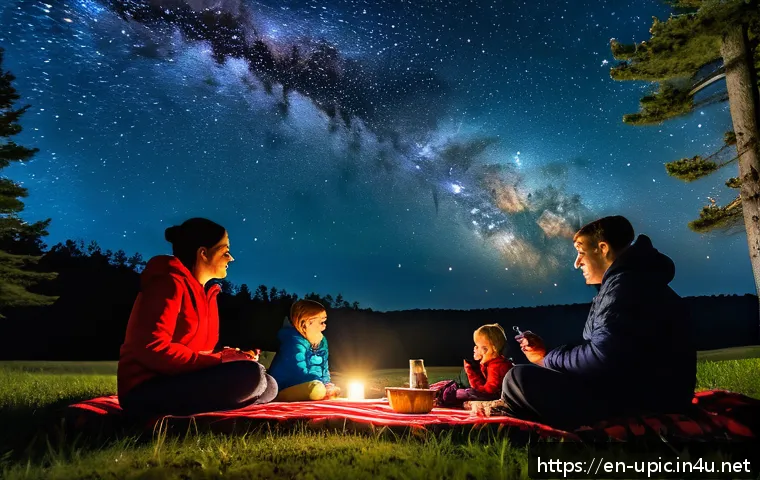
Lately, more people are seeking unique ways to unwind and reconnect with nature, making night sky picnics the perfect escape. Imagine laying back on a cozy blanket, surrounded by twinkling stars, while sharing stories and snacks with friends or loved ones.
This blend of outdoor dining and stargazing offers a magical experience that’s both relaxing and inspiring. As we dive into the secrets of planning your own night under the stars, you’ll discover how simple it is to turn an ordinary evening into an unforgettable adventure.
Whether you’re a seasoned astronomer or just looking for a peaceful night out, this guide will spark your curiosity and set the scene for stellar memories.
Choosing the Perfect Spot for Your Night Sky Picnic
Finding Darkness Away from City Lights
One of the most important factors for a successful night sky picnic is finding a location with minimal light pollution. Urban areas tend to drown out stars, so heading to rural parks, nature reserves, or designated dark sky parks is ideal.
I once drove an hour out of the city just to experience the Milky Way in all its glory — the difference was mind-blowing. Look for spots that advertise themselves as stargazing-friendly or check online light pollution maps to pinpoint the darkest areas nearby.
Remember, the darker the sky, the clearer and more breathtaking the stars will appear.
Accessibility and Comfort Considerations
While remote locations offer stunning views, accessibility is equally important, especially if you’re carrying picnic gear or inviting friends who may not be keen on long hikes.
Choosing a spot with easy parking or a short walk from the car can make the experience much more enjoyable. Also, consider terrain—flat grassy fields work best for spreading out blankets and setting up snacks comfortably.
Avoid rocky or uneven ground that can make sitting and relaxing tricky. Personally, a well-maintained state park with picnic tables and open fields strikes the perfect balance for me.
Weather and Seasonal Timing
Weather can make or break your night under the stars. Clear skies are a must, so checking the forecast ahead of time is essential. I’ve had nights where sudden clouds rolled in, obscuring the view just as we were settling down, which was a bit disappointing.
Also, different seasons bring different constellations, so plan your outing based on what celestial sights you want to see. Fall and winter often provide crisper air and clearer skies, but dress warmly—nights can get chilly!
Spring and summer offer milder temperatures but sometimes come with more humidity or bugs, so pack accordingly.
Essential Gear to Elevate Your Stargazing Picnic
Comfortable Seating and Blankets
You’ll want to bring cozy blankets or reclining chairs to keep yourself comfy throughout the night. Laying flat on a soft blanket allows you to gaze straight up without neck strain, and having an extra layer underneath can protect you from cold, damp ground.
My go-to is a thick fleece blanket paired with a portable camping mat. It makes a huge difference when you’re spending hours stargazing and chatting with friends.
Lighting that Doesn’t Spoil the View
While you want some light to see what you’re doing, harsh white lights can ruin your night vision and the overall ambiance. Red LED flashlights or headlamps are the best choice since red light preserves night vision and won’t wash out the stars.
Keep your lighting minimal and use it only when necessary to maintain the magical atmosphere.
Food and Drink Ideas for the Night
Picnic food for a night under the stars should be easy to eat and not require too much prep. Think finger foods like sandwiches, cheese and crackers, fresh fruit, and trail mix.
I like to bring warm beverages like hot chocolate or tea in a thermos to keep cozy. Avoid heavy or messy meals that might be hard to handle in the dark.
Having a small cooler or insulated bag can keep your snacks fresh and drinks chilled.
Stargazing Tools and Apps to Enhance Your Experience
Using Star Maps and Constellation Guides
Bringing a physical star map or printed constellation guide is a classic way to identify stars and patterns. It’s fun to challenge yourself and friends to find constellations like Orion, the Big Dipper, or Cassiopeia.
If you’re like me, sometimes a simple paper map is easier than fiddling with a phone in the dark.
Mobile Apps for Real-Time Sky Tracking
Smartphone apps like Stellarium, SkyView, or Star Walk 2 are fantastic companions for a night sky picnic. They use your phone’s GPS and gyroscope to show you exactly what’s overhead in real time.
I’ve found them incredibly useful for spotting planets, satellites, or even the International Space Station passing by. Just make sure to dim your screen brightness and use a red light filter to preserve your night vision.
Telescopes and Binoculars for Deeper Exploration
If you want to take your stargazing to the next level, bringing a small telescope or a pair of binoculars can reveal details invisible to the naked eye.
I once borrowed a friend’s telescope and was blown away by the craters on the moon and the rings of Saturn. While they add some bulk to your gear, the payoff is incredible for those curious about astronomy.
Creating the Right Atmosphere for a Memorable Night
Music and Soundscapes
Soft background music or nature sounds can enhance the ambiance without overpowering the natural quiet. I like to curate a playlist of calm acoustic tunes or ambient sounds like gentle rain or forest noises.
Avoid loud or upbeat music that can disrupt the serene vibe or annoy neighbors if you’re in a public park.
Setting Up Cozy Lighting
String lights or lanterns with warm, dim bulbs can create a magical glow around your picnic area. Battery-operated fairy lights are perfect for wrapping around nearby trees or draping over your blanket.
This subtle lighting invites a cozy, intimate feeling without interfering with stargazing.
Bringing Games and Conversation Starters
A night picnic is the perfect time to share stories, play quiet games, or discuss the cosmos. I’ve found that having a few conversation starters about space or fun astronomy facts sparks fascinating discussions.
Card games or simple board games that don’t require bright lights also work well to keep everyone engaged.
Stargazing Etiquette and Safety Tips
Respecting Nature and Fellow Stargazers
When you’re out under the stars, it’s important to minimize your impact on the environment. Pack out all trash, avoid loud noises, and respect wildlife habitats.
Also, be considerate of others nearby who are there for peaceful stargazing—keep voices low and avoid using bright lights unnecessarily.
Personal Safety and Preparedness
Bring a fully charged phone and let someone know your location if you’re heading to a remote area. Dress in layers to adjust to changing temperatures and carry insect repellent to avoid bites.
Having a basic first aid kit on hand can provide peace of mind. I always double-check my gear and weather forecast before leaving, which has saved me from a few uncomfortable situations.
Dealing with Unexpected Changes
Nature can be unpredictable—clouds might roll in, or temperatures might drop suddenly. Having a backup plan, such as a nearby shelter or an alternate indoor location, can save the night.
If the weather turns bad, sometimes just sharing stories and warm drinks in a cozy cabin or car can turn into an equally memorable experience.
Comparing Popular Night Sky Picnic Destinations
| Location | Light Pollution Level | Accessibility | Special Features | Best Season |
|---|---|---|---|---|
| Cherry Springs State Park, PA | Very Low | Easy parking, paved trails | Designated Dark Sky Park, ranger programs | Fall to Spring |
| Big Bend National Park, TX | Extremely Low | Remote, requires some driving | Wide open desert skies, Milky Way views | Winter to Early Spring |
| Joshua Tree National Park, CA | Low | Moderate, some hiking involved | Unique desert landscape, star parties | Fall and Winter |
| Acadia National Park, ME | Moderate | Easy access, parking available | Coastal views, lighthouse silhouettes | Summer and Early Fall |
| Mauna Kea, HI | Very Low | Requires altitude acclimation | High elevation, observatories | Year-round but cold |
In Conclusion
Choosing the right spot and preparing thoughtfully can turn your night sky picnic into an unforgettable adventure. From finding dark skies to packing the perfect gear, every detail enhances your connection with the cosmos. Remember, patience and comfort go hand in hand with stargazing joy. So, embrace the night, relax, and let the stars inspire you.
Helpful Tips to Keep in Mind
1. Check light pollution maps ahead of time to ensure the darkest skies for optimal stargazing.
2. Pack comfortable seating and dress in layers to stay warm and cozy through the night.
3. Use red light sources to preserve your night vision and maintain the atmosphere.
4. Bring simple, easy-to-eat snacks and warm drinks to keep energy and spirits high.
5. Always prioritize safety by sharing your location, carrying essentials, and preparing for unexpected weather changes.
Key Takeaways for a Successful Night Sky Picnic
Choosing a location with minimal light pollution is crucial to fully appreciate the stars. Accessibility and comfort should never be overlooked, ensuring everyone enjoys the experience without hassle. Proper gear, including blankets, red lights, and stargazing tools, enhances both comfort and engagement. Planning for weather and safety ensures your outing is as smooth as it is magical. Lastly, respecting nature and fellow stargazers helps preserve the peaceful environment that makes these nights so special.
Frequently Asked Questions (FAQ) 📖
Q: uestions about Night Sky PicnicsQ1: What are the best locations to have a night sky picnic?
A: The best spots are usually away from city lights where light pollution is minimal. National parks, countryside fields, or even secluded beaches offer excellent visibility of the stars.
I personally found that heading to a local nature reserve just outside my city provided a perfect balance of accessibility and dark skies. Just make sure the area is safe, allows night access, and ideally has some flat ground for setting up your blanket comfortably.
Q: What should I bring to make my night sky picnic comfortable and enjoyable?
A: Besides the obvious snacks and drinks, I recommend bringing a warm blanket or even a sleeping bag since temperatures can drop at night. A portable lantern or fairy lights add a cozy atmosphere without ruining star visibility.
Don’t forget a star map app or telescope if you want to dive deeper into stargazing. Also, packing insect repellent and some comfy cushions can make a big difference in your overall experience.
Q: Are night sky picnics suitable for beginners who don’t know much about astronomy?
A: Absolutely! You don’t need to be an expert to enjoy the magic of a night under the stars. I remember my first night sky picnic where I barely knew any constellations, but just lying back and watching shooting stars made it unforgettable.
Using simple apps that identify stars and planets can boost your excitement, and sharing stories or playing soft music adds to the relaxing vibe. It’s really about connecting with nature and good company, no prior knowledge required.