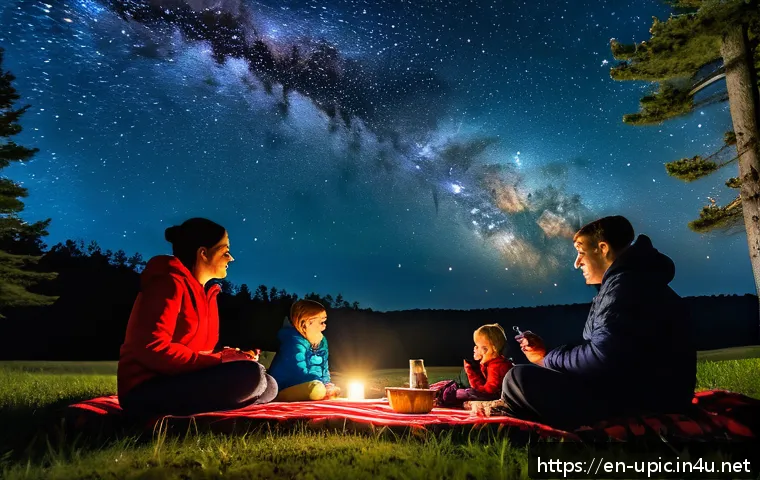
Alright, fellow outdoor lovers, let’s get real for a moment. You know that feeling, right? You’ve spent ages planning the perfect picnic—the artisanal snacks, that killer charcuterie board, the comfiest blanket—only for Mother Nature to throw a curveball.
A sudden downpour, an unexpected gust of wind, or even a sneaky cold front can turn your idyllic vision into a soggy, disheartening mess. It’s absolutely soul-crushing when all that effort feels wasted, and honestly, for years, it used to frustrate me to no end.
Just glancing at a basic weather app often feels like playing a game of roulette these days, especially with our climate acting more unpredictable than ever.
But what if I told you there’s a whole universe beyond that quick phone check? What if you could truly anticipate those tricky microclimates, leverage cutting-edge tools, and ensure your al fresco dining experience is nothing short of perfect, come what may (mostly sunshine, fingers crossed!)?
Trust me, after countless ruined sandwiches and forgotten sunscreens, I’ve uncovered some seriously game-changing secrets that have completely revolutionized my outdoor planning.
We’re talking about next-level preparation that dives into everything from dew points to subtle wind patterns in ways you probably haven’t even considered.
No more last-minute scrambling or dashed hopes for your perfect day out. So, if you’re eager to unlock the secrets to truly bulletproof picnic planning and ensure your outdoor adventures are always a delightful success, then join me as we explore these game-changing weather check strategies.
Beyond the Basic Forecast: Unveiling Microclimates and Hidden Factors

It’s happened to me more times than I care to admit: I check the weather app, see a sunny 70 degrees, pack my perfect picnic, and arrive at my favorite park only to find a chilling breeze whipping through, or worse, a sudden sprinkle from seemingly nowhere.
What gives? This isn’t just bad luck; it’s often the subtle trickery of microclimates and overlooked meteorological factors. Your standard phone forecast gives you a broad overview, which is great for general planning, but it rarely accounts for the nuanced conditions of a specific spot.
Think about it – a sheltered valley versus an exposed hilltop, or the difference between a spot near a large body of water and one inland. These tiny variations can completely change your outdoor experience.
Learning to anticipate these hidden forces has been an absolute game-changer for me, turning frustrating washouts into consistently delightful outings.
It’s about looking beyond the big picture and tuning into the smaller, more impactful details that truly dictate whether your charcuterie board stays pristine or gets sandblasted.
Trust me, once you start considering these factors, you’ll feel like a true weather wizard, always one step ahead.
Understanding Topography’s Influence
The physical landscape plays a massive role in localized weather patterns. I remember one time planning a lakeside picnic in Upstate New York. The general forecast was mild, but knowing the area, I checked for wind advisories specific to the lake.
Sure enough, a strong afternoon breeze was predicted, which meant my lightweight blanket and paper plates would be a disaster. If I hadn’t dug deeper, I would have been chasing napkins across the sand!
Hilly areas can create their own convection currents, leading to unexpected cloud formation or even sudden, isolated showers, while dense tree cover might keep a spot cooler and damper than the open field nearby.
Even urban parks have their own microclimates due to buildings creating wind tunnels or trapping heat. Always consider the immediate surroundings of your chosen picnic spot; a quick look at a topographical map can reveal a surprising amount of information about how air and moisture might move through the area.
The Subtle Art of Cloud Gazing (Seriously!)
While we rely on apps, there’s still immense value in old-fashioned observation. I’ve learned to become quite adept at cloud gazing, not just for beauty, but for predictive power.
Wispy cirrus clouds high in the sky can signal approaching weather changes hours in advance, while towering cumulonimbus clouds, even if seemingly distant, are a red flag for potential thunderstorms.
If you see clouds building rapidly overhead, especially if they have dark bases, it’s a good sign that your sunny afternoon might be cut short. Of course, this isn’t about becoming a meteorologist overnight, but rather about developing a more intuitive understanding of what the sky is telling you.
Combining what you see with what your app predicts gives you a much more robust picture, and honestly, it’s a delightful way to feel more connected to the natural world around you.
Harnessing Hyperlocal Weather Tech: Tools That Go Deeper
Gone are the days when a simple glance at the evening news weather report was your only option. Today, we have an incredible array of tools that offer granular, hyperlocal data, allowing us to truly pinpoint conditions for our specific picnic locations.
I’ve personally experimented with countless apps and websites, and what I’ve discovered is that while many do a decent job, a select few go above and beyond, providing insights that are invaluable for outdoor planning.
These aren’t just glorified temperature gauges; they leverage advanced radar, satellite imagery, and localized sensor networks to give you a truly precise forecast.
If you’re serious about never having another picnic ruined, investing a little time into exploring these options will pay dividends. For me, it transformed my planning from hopeful guessing to informed decision-making, and that peace of mind is truly priceless.
It’s like having a personal meteorologist in your pocket, always ready to give you the most accurate scoop on what Mother Nature has in store for your al fresco dining.
My Go-To Apps for Pinpoint Accuracy
I used to just open the default weather app on my phone, like most people, but I quickly realized its limitations for specific outdoor activities. My current favorites for detailed picnic planning include AccuWeather and The Weather Channel, particularly their radar features.
AccuWeather’s MinuteCast is fantastic for hyper-specific precipitation predictions, telling you exactly when rain might start or stop at your location within the next hour – a real lifesaver when you see a stray shower heading your way.
Dark Sky (now integrated into Apple Weather for iOS users) was a revelation for its incredible short-term precipitation forecasts, and similar apps like Carrot Weather offer highly customizable data displays.
For Android users, apps like Overdrop or NOAA Weather Radar Live are excellent alternatives, providing detailed radar and forecast models. The key is to find an app that not only shows you temperature but also wind speed and direction, dew point, and provides a clear, interactive radar.
Leveraging Advanced Online Resources
Beyond phone apps, there are powerful web-based tools that offer even more comprehensive data. Websites like windy.com have become an indispensable part of my planning routine.
They provide stunning visualizations of wind patterns, temperature, pressure, and even wave height (if you’re planning a beach picnic!). You can toggle between different forecast models and zoom right into your specific park or trail.
Another fantastic resource is the National Weather Service (NWS) website, especially for those in the United States. Their local forecast offices provide highly detailed discussions from human meteorologists, offering insights that automated models sometimes miss.
I often cross-reference my app data with the NWS discussions; it’s like getting a second opinion from an expert. These advanced tools might seem a bit overwhelming at first, but with a little practice, you’ll find them incredibly empowering for making informed decisions.
Decoding Atmospheric Nuances: Wind, Dew Point, and UV Index Explained
We often focus solely on temperature and precipitation, but I’ve learned that a truly successful outdoor experience hinges on understanding the more subtle atmospheric elements.
Wind, dew point, and the UV index might sound like technical jargon, but trust me, they are crucial for your comfort and safety during a picnic. I vividly recall a picnic where the temperature was perfect, but the relentless wind made it impossible to keep anything on the table, turning our carefully arranged spread into a sandy, leaf-strewn disaster.
Another time, the humidity was so high (a high dew point), that everything felt clammy and sticky, making our supposedly refreshing afternoon surprisingly unpleasant.
And let’s not even start on sunburns – a high UV index can sneak up on you even on partly cloudy days. Paying attention to these often-overlooked details is what separates a good picnic from a truly great one, ensuring not just good food, but a comfortable and safe environment for everyone.
The Silent Force: Wind Speed and Direction
Wind is a major determinant of picnic comfort. A gentle breeze is lovely, but anything above 10-15 mph can start to cause issues, from blowing napkins to chilling you even on a warm day.
I always check the wind forecast not just for speed, but for direction. A wind blowing off a large body of water, for example, can feel much cooler and carry more moisture.
On the flip side, a warm, dry wind might kick up dust or pollen. Knowing the wind direction helps you choose a sheltered spot or pack appropriate windbreakers.
Many weather apps and sites like Windy.com provide excellent wind forecasts, often showing gusts in addition to sustained speeds. My advice is to always assume the forecast wind will feel stronger in an open, exposed area, so if it’s borderline, err on the side of caution and find some natural windbreaks like trees or structures.
Understanding Dew Point vs. Humidity
While humidity tells you the amount of moisture in the air relative to the temperature, the dew point is a more accurate measure of how “muggy” it will feel.
A high dew point (above 60°F or 16°C) means there’s a lot of moisture in the air, making it feel sticky and uncomfortable, even if the temperature isn’t excessively high.
Conversely, a low dew point (below 50°F or 10°C) indicates dry air, which feels crisp and pleasant. I remember a picnic planned for a warm summer day in Georgia; the temperature was fine, but the dew point was in the high 60s.
I knew from experience that meant it would feel oppressive, so I opted for an indoor alternative instead, saving everyone from a sweaty ordeal. Checking the dew point is especially crucial in humid climates and during warmer months, as it directly impacts your perceived comfort level.
The Invisible Threat: UV Index Awareness
The UV index is an often-ignored but vital piece of information, especially for longer outdoor stints. It measures the strength of the sun’s ultraviolet (UV) radiation, which causes sunburn and skin damage.
Even on a cloudy day, a high UV index can mean significant exposure. Most weather apps now include the UV index in their daily forecast. A UV index of 3-5 is moderate, 6-7 is high, and 8+ is very high to extreme.
If the UV index is moderate or higher, I always pack sunscreen, hats, and sunglasses, and try to find a shaded spot for our picnic. For example, if I see a UV index of 7 in Southern California, I know to be extra vigilant with sun protection, even if it feels breezy.
Your skin will thank you!
The Art of Contingency: Backup Plans and Smart Gear Choices
Even with the most meticulous weather checks, Mother Nature can still throw a curveball. That’s why, after years of trial and error (and more than a few soggy sandwiches), I’ve learned that the true mark of a seasoned picnic planner is having a solid contingency strategy.
It’s not about being pessimistic; it’s about being prepared and flexible. Thinking through “what if” scenarios allows you to pivot gracefully, turning a potentially disastrous outing into merely a slightly altered plan.
This proactive approach saves you from frustration and ensures that your effort isn’t wasted, regardless of unexpected changes. It’s about designing your outdoor adventure with resilience built-in, so you can enjoy the spontaneity without sacrificing comfort or enjoyment.
I’ve found that a little foresight goes a long way in ensuring your day stays delightful, come rain or shine (or unexpected wind!).
Essential Gear for All Weather
My picnic basket used to be just for food, but now it’s a mobile command center of weather-ready gear. Beyond the usual blanket, I always include a lightweight, waterproof tarp or an extra-large poncho.
This isn’t just for rain; it can serve as an emergency windbreak or a dry barrier if the ground is unexpectedly damp. Compact, foldable umbrellas for each person are also a smart addition.
For warmth, even on seemingly mild days, a few extra light blankets or shawls can make a huge difference if a cool front moves in. And don’t forget practical items like strong clips to secure your tablecloth, weighted cutlery if you’re prone to windy spots, and insect repellent because bugs don’t check the forecast!
Crafting Your “Plan B”

A successful contingency plan isn’t about giving up on your outdoor dreams; it’s about having a ready alternative. Before heading out, I always have a mental (or even written) “Plan B.” This could be an alternative indoor location nearby, like a cozy café with outdoor seating under an awning, or a public greenhouse that allows outside food.
Sometimes, Plan B is simply shifting the time of the picnic to earlier or later in the day to avoid peak heat or predicted rain. In cases where the weather truly turns hostile, Plan B might involve enjoying your carefully prepared food at home, perhaps with a movie, and rescheduling the outdoor experience.
The key is to have this option decided *before* you leave, so you’re not scrambling when the skies open up, which can add a lot of unnecessary stress.
Seasonal Smarts: Tailoring Your Prep to the Time of Year
Picnic planning isn’t a one-size-fits-all endeavor, especially when it comes to weather. What works beautifully in spring might be utterly inappropriate for a summer afternoon, and vice-versa.
Over the years, I’ve learned that truly mastering the art of the outdoor meal means adapting your weather check strategy and gear choices to the unique characteristics of each season.
Each time of year brings its own set of meteorological quirks and challenges, from sudden spring showers to scorching summer heat, and crisp autumn winds to surprisingly mild winter days.
Recognizing these seasonal nuances and adjusting your preparation accordingly has been key to my consistently successful outdoor adventures. It’s about building a repertoire of seasonal strategies that ensure comfort and enjoyment, no matter what the calendar says.
Spring Showers and Temperature Swings
Spring is notoriously fickle. One moment it’s gloriously sunny, the next you’re caught in a brisk shower. My spring strategy always involves checking for pop-up thunderstorms and significant temperature drops.
The ground can also be surprisingly damp from previous rains or melting snow, so a waterproof blanket or tarp is non-negotiable. I also pay close attention to pollen counts, as many of my friends suffer from seasonal allergies.
In springtime, the air can shift from warm to chilly incredibly quickly, so layers are essential. I often pack a light jacket and a warmer sweater, even if the forecast seems mild, because I’ve been caught out too many times by a sudden cold snap as the sun starts to dip.
Think of it as preparing for two seasons in one day!
Summer Heat and Pop-Up Storms
Summer picnics scream sunshine and warmth, but they also demand vigilance against intense heat, humidity, and sudden, severe thunderstorms. My summer weather checks are laser-focused on the UV index, dew point, and radar for developing cumulonimbus clouds.
I prioritize finding shaded spots and packing plenty of ice and cool drinks. Afternoon thunderstorms are a common summer phenomenon, often appearing quickly with little warning, so keeping an eye on the radar for developing cells is paramount.
For example, if I’m planning a picnic in Florida during the summer, I know to always plan for the possibility of an afternoon downpour and have an exit strategy ready.
Autumn Breezes and Frosty Mornings
Autumn brings some of the most beautiful picnic weather, but also a distinct shift in atmospheric conditions. The air becomes crisper, and while the days can be warm, the evenings cool down significantly.
My autumn checks focus on wind chill, as even a moderate breeze can feel much colder in the crisp air. I also look for signs of early morning frost, which can leave picnic tables and ground damp even on a sunny afternoon.
Layers are crucial, and packing a thermos of hot coffee or tea can be a delightful addition. The sun sets earlier, so checking sunset times helps ensure you’re not caught out in the dark or as temperatures plunge.
Mastering the Long Game: Tracking Trends and Building Personal Weather Wisdom
You know, it’s not just about checking the weather for *this* weekend’s picnic. Over the years, I’ve realized that the most powerful tool in my outdoor planning arsenal isn’t an app or a website; it’s the personal weather wisdom I’ve accumulated by paying attention to patterns and trends.
It’s like building a mental database of how different conditions manifest in my favorite spots. This long-term approach allows me to anticipate challenges weeks or even months in advance, making my last-minute checks more about fine-tuning than starting from scratch.
It’s about developing an almost intuitive sense of how local weather works, allowing you to make smarter choices about *when* and *where* to plan your next al fresco meal.
This isn’t something an AI can easily replicate; it comes from actual experience and thoughtful observation.
Keeping a Weather Journal (Even a Mental One)
I’m not suggesting you meticulously log every single temperature and cloud formation, but simply becoming more observant can yield incredible insights.
When you head out for a picnic, take note of what the forecast said versus what you actually experienced. Was the wind stronger than predicted? Did the sun feel hotter?
Did that light drizzle turn into a downpour? Over time, you’ll start to notice patterns specific to your favorite locations. For instance, I’ve learned that a particular park near my home always seems to be 5 degrees cooler than the general city forecast, likely due to its proximity to a river.
This mental journal helps me adjust future plans and provides a more reliable localized forecast than any generic app could offer.
The Value of Local Knowledge and Community Forecasts
Sometimes, the best weather intelligence comes from human sources. Engaging with local online communities, hiking groups, or even park rangers can provide invaluable real-time insights.
These are people who are constantly experiencing the local conditions and can offer nuanced advice that models might miss. I once got a tip from a local hiking forum about a microclimate in a specific canyon that tended to hold fog much longer than the surrounding area – information that saved my morning picnic from being a chilly, misty affair.
Don’t underestimate the power of human observation and shared experience; it adds a layer of depth to your planning that purely technical data often lacks.
| Weather Factor | Why It Matters for Picnics | Tools to Check | My Personal Tip |
|---|---|---|---|
| Wind Speed & Direction | Blows food, chills comfort, can make setup difficult. | Windy.com, Weather Apps (AccuWeather, NOAA) | Always add 5mph to forecast for open areas. Look for natural windbreaks. |
| Dew Point | Indicates how muggy/humid it will feel, affects comfort. | Most detailed weather apps, NWS website | Below 50°F is dry and crisp, above 60°F feels sticky. |
| UV Index | Risk of sunburn and skin damage, even on cloudy days. | Most weather apps, EPA website | Pack sunscreen (SPF 30+), hats, and sunglasses if 3+. |
| Precipitation Chance (Hourly) | Obvious picnic spoiler, but timing is everything. | AccuWeather MinuteCast, Dark Sky (Apple Weather) | Check specific hour-by-hour chance, not just daily percentage. |
| Microclimates | Specific conditions of your location differ from general forecast. | Topographical maps, local forums, personal observation | Observe your favorite spots; they often have unique patterns. |
Wrapping Up Our Picnic Weather Journey
Whew, we’ve covered a lot of ground, haven’t we? It might seem like a deep dive into weather nuances for something as simple as a picnic, but trust me, understanding these subtle shifts has completely transformed my outdoor experiences.
No more guessing games or having a beautiful spread suddenly ruined by an unexpected gust of wind or a sneaky shower. It’s about moving from simply *hoping* for good weather to confidently *planning* for it, no matter what Mother Nature decides to throw our way.
I’ve found that a little extra preparation truly goes a long way in turning a good day outside into an absolutely unforgettable one. It’s like discovering a secret superpower that lets you enjoy every moment, come sun, wind, or even a fleeting sprinkle.
Embrace being your own local weather guru, and you’ll unlock a whole new level of outdoor enjoyment!
Handy Tips for Your Next Outdoor Adventure
1. Always check the wind forecast, not just the temperature. A seemingly warm day can feel surprisingly chilly with a strong breeze, and nobody wants their napkins doing acrobatics! I’ve learned to always pack a lightweight windbreaker, even in summer, just in case. It makes a huge difference to your comfort when you’re not constantly battling the elements. Websites like Windy.com offer incredible visual forecasts for wind patterns, which I find invaluable.
2. Pay attention to the dew point as much as the humidity. Remember, the dew point is the real indicator of how “muggy” or “crisp” the air will feel. A dew point below 50°F (10°C) means wonderfully dry and pleasant air, while anything above 65°F (18°C) can make even a mild temperature feel oppressive and sticky. It’s a game-changer for choosing your picnic attire and drinks.
3. Don’t underestimate the UV index, even on cloudy days. UV radiation can still be strong and cause sunburn or skin damage through cloud cover. I always check the UV index (3-5 is moderate, 6-7 is high, 8+ is very high), and if it’s anything above moderate, out come the sunscreen, hats, and sunglasses. Your skin will thank you, and it means you can relax and enjoy the sunshine safely for longer.
4. Develop a solid Plan B for every outdoor outing. No matter how meticulously you check the forecast, unexpected weather can happen. My Plan B usually involves scouting a nearby sheltered area, having a quick indoor alternative in mind, or even just embracing the idea of bringing the picnic indoors if the weather truly turns hostile. It’s not about being negative; it’s about being prepared and flexible, which seriously reduces stress when a surprise storm rolls in.
5. Become a microclimate detective for your favorite spots. Each park, beach, or hiking trail has its own unique atmospheric quirks due to topography, nearby water bodies, or tree cover. I’ve noticed that my favorite lakeside picnic spot always has a stronger afternoon breeze than the general town forecast suggests. Learning these specific patterns for places you frequent gives you an almost psychic ability to predict local conditions far better than any generic app.
Key Takeaways for Weather-Wise Picnics
At the end of the day, what I truly want you to take from this isn’t just a list of apps or weather terms, but a sense of empowerment. By embracing a more detailed approach to weather planning, you’re not just avoiding discomfort; you’re actively enhancing your outdoor life. My journey from picnic mishaps to flawless al fresco dining has been all about building this layered understanding – combining tech tools with good old-fashioned observation and personal experience. It’s about developing an intuitive connection to the environment, making you a more confident and capable adventurer. So go ahead, dive deeper into those forecasts, observe the skies, and maybe even start your own mental weather journal. You’ll be amazed at how quickly you become the go-to weather guru among your friends, ensuring every outdoor gathering is a delightful success. Here’s to many more perfect picnics!
Frequently Asked Questions (FAQ) 📖
Q: How can I truly go beyond my phone’s basic weather app to get a real handle on what Mother Nature has in store for my perfect picnic?
A: This is a question that hits home for so many of us, myself included! Relying solely on that default weather app is like trying to navigate a complex city with only a basic map.
To truly level up your game, you need to dive into the specifics. For starters, I’ve personally found that looking beyond just temperature and a percentage chance of rain is crucial.
Think about the dew point – it’s a total game-changer! A high dew point means the air is packed with moisture, making it feel muggy and sticky, even if the thermometer isn’t soaring.
That can seriously impact your comfort, trust me. I also always check the wind chill factor; a sunny day can feel downright miserable with a biting breeze, right?
Another invaluable habit I’ve picked up is constantly checking a live radar. It’s not just about a static prediction; seeing the actual movement of clouds and precipitation gives you an incredibly accurate, real-time picture, which is perfect for those last-minute, make-or-break decisions.
Q: You talked about “tricky microclimates” and “subtle wind patterns.” How can I actually anticipate and plan for those localized weather quirks?
A: Ah, microclimates – the bane of many a well-intentioned outdoor plan! I’ve had my fair share of picnics where the weather at my house was picture-perfect, only to arrive at the park a few miles away to a totally different, often less pleasant, scenario.
The key here is hyper-localization. Forget your general city forecast; you need to find sources that zoom in on specific parks, valleys, or even just particular sections of a larger area.
I’ve had great success with certain weather apps that aggregate data from local weather stations, sometimes even privately owned ones, giving an almost street-level view of what’s happening.
Beyond technology, don’t underestimate the power of your own experience and observation! If you’ve picnicked in a spot before, what did it feel like? Did a breeze always pick up around 3 PM?
Was it noticeably cooler under those massive shade trees? Your personal knowledge of a location can be your secret weapon against these sneaky microclimate surprises.
Q: What are some of those “game-changing tools” or “cutting-edge strategies” you’ve personally used to ensure a truly “bulletproof” picnic experience?
A: Alright, this is where we get into the really good stuff – the tools and tricks that have genuinely revolutionized my outdoor planning! First off, for battling those subtle wind patterns, I swear by specific wind prediction apps that offer detailed visualizations of wind direction and speed.
This has saved countless charcuterie boards from becoming sand-blasted messes by helping me scout the most sheltered spots. For a deeper dive into atmospheric conditions, including those all-important dew points, I always cross-reference a couple of advanced weather websites.
Many offer hourly breakdowns of various metrics that go way beyond what your phone typically provides. And here’s a little secret I’ve adopted: I actually started with a small, personal weather station in my backyard.
It gave me an incredible intuition for how my immediate surroundings react to the broader forecast, which in turn has made me much better at predicting conditions for nearby picnic locations.
It’s like having my own mini-meteorologist, and it has made all the difference!