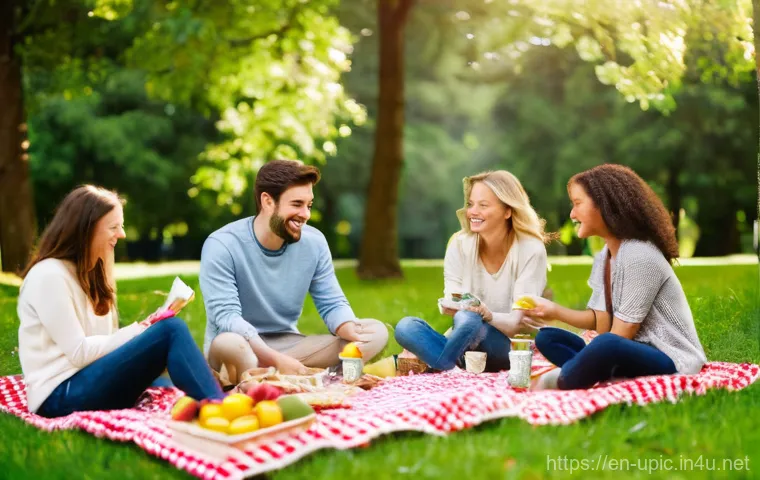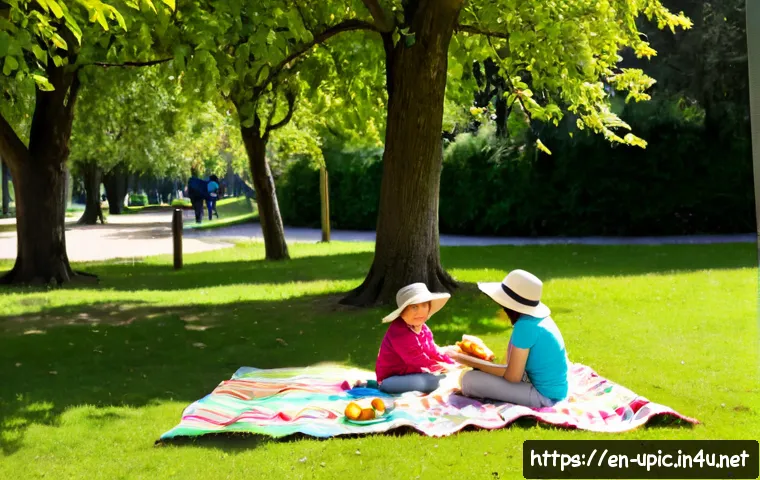
The safest unusual picnic places for children are locations with clear boundaries, easy adult visibility, safe walking surfaces, toilets, drinking water, and shade.
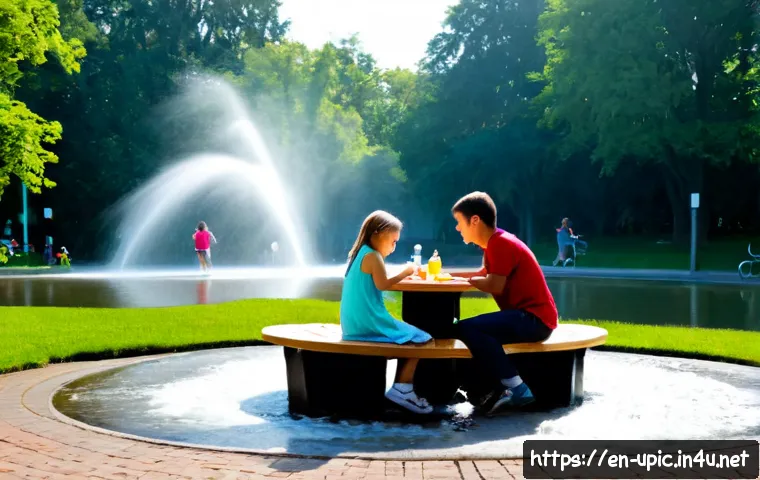
Nature centers, botanical gardens, farm picnic zones, and outdoor museum grounds can feel more memorable than a standard park, but each needs a different safety check.
Free public parks can be a good low-cost choice when facilities are reliable. Paid family attractions may be worth considering when admission includes structured activities, sheltered areas, or convenient amenities.
Before reserving a picnic shelter or buying tickets, confirm the current food rules, parking details, weather plans, and supervision needs. The best venue is not always the most unusual one—it is the place your family can use comfortably and safely.
Quick Overview
- Choose safety before novelty: clear boundaries, visible play areas, toilets, water, and shade matter most.
- Check venue rules first: outside food, grills, pets, reserved picnic areas, and parking policies can vary.
- Compare total value: admission, parking, activity passes, shelter reservations, and equipment rentals may be separate costs.
| Location Type | Best For | Key Safety Checks | Possible Costs |
|---|---|---|---|
| Public park | Simple, low-cost family outings | Road distance, water hazards, toilets, shade, parking layout | Parking or picnic shelter reservation |
| Nature center | Families wanting trails and educational activities | Trail surfaces, boundaries, water access, staff availability | Admission, activities, rentals, parking |
| Botanical or sensory garden | Calmer picnics and younger children | Walking paths, pond edges, food rules, shade, toilets | Admission, parking, guided activities |
| Farm, animal park, or museum grounds | Built-in activities for mixed-age groups | Animal enclosures, hand-cleaning stations, long walks, traffic areas | Entry, activity pass, parking, picnic-site booking |
The Safest Unusual Picnic Spots for Families
Unusual picnic places can give children something to explore without turning the day into an exhausting trip. The safer choices have defined spaces, good sightlines, practical facilities, and a clear way to leave or get help if needed. A beautiful view is a bonus, but it should not outweigh water hazards, steep ground, busy vehicle areas, or a lack of toilets.
Nature Centers with Supervised Activity Areas
Nature centers can work well for families who want a picnic with trails, exhibits, or outdoor learning activities. Look for picnic areas close to the main building or activity zone rather than far along an unfamiliar trail. This can make toilets, drinking water, parking, and staff assistance easier to reach.
Before going, check whether outside food is allowed and whether trails are suitable for your child’s mobility and energy level. Areas near ponds, streams, overlooks, or parking lots need closer supervision. If the center offers family activities or equipment rentals, compare what is included with the admission or activity fee before booking.
Botanical Gardens and Sensory Gardens
Botanical gardens often offer a calmer setting than a crowded playground. Wide paths, planted areas, and sensory features can make them especially appealing for a relaxed family outing. They may also be a practical choice when you want children to walk, observe, and take breaks rather than run continuously.
Still, gardens are not automatically risk-free. Check for ponds, fountains, uneven paths, restricted lawns, and rules about eating on the grounds. Shade can vary widely across an open garden, so choose a picnic location with a nearby shaded area when heat is a concern.
Working Farms, Animal Parks, and Orchard Picnic Zones
Farm parks and orchard picnic zones can combine food, outdoor play, and animal viewing in one visit. This can be useful for school-age children or mixed-age groups because there may be more than one activity option. A reserved picnic area may also simplify a larger family gathering.
Pay close attention to animal enclosure boundaries, hand-cleaning access, vehicle routes, and walking distances between attractions. Food policies may be stricter at some venues, and activity passes or parking may be charged separately from general entry. Bring allergy-aware food and hand-cleaning supplies even if the venue has facilities.
Outdoor Museum Grounds and Historic Gardens
Outdoor museum grounds and historic gardens can offer open lawns, unusual scenery, and educational stops for older children. These locations may be quieter than major attractions, but they can include delicate landscapes, steps, uneven surfaces, or areas where children need to stay close.
Check whether picnicking is limited to specific lawns or tables. Also confirm opening hours, parking arrangements, accessible routes, and rainy-day options. A museum visit can be a useful backup plan only if the venue’s policies and available spaces suit your group.
Compare Picnic Locations Before You Go
A good comparison starts with what your family actually needs. A free park may be ideal for a short lunch and play session, while a paid family attraction may make sense when you want activities, facilities, and a more structured day. The goal is not to spend more; it is to avoid paying for a setting that does not solve your practical needs.
Free Public Park vs. Paid Family Attraction
A public park can offer flexibility and a lower-cost option, especially if you bring your own food and stay for a short visit. However, amenities may be limited, and the picnic area may sit close to roads, parking lots, water, or busy play areas.
A paid attraction may offer more built-in entertainment and better-organized spaces, but admission does not automatically mean every activity or facility is included. Compare the total plan: entry, parking, activity access, picnic shelter availability, and any equipment rental needs. A paid venue is most useful when its facilities reduce stress for your particular group.
Safety Features That Matter More Than Novelty
When comparing family picnic locations, prioritize adult visibility, clear walking routes, toilets, drinking water, shade, and straightforward emergency access. A small fenced play area near a picnic table may be more practical than a dramatic scenic site with hidden drop-offs or distant parking.
Be extra cautious around water, cliffs, animal enclosures, and vehicle traffic. These spaces can still be enjoyable, but they require a defined meeting point and closer adult supervision. If you cannot easily explain where children may and may not go, the venue may not be the best fit for that day.
What Families May Pay For: Entry, Parking, Shelter, and Activities
Family outing costs can include admission, parking, picnic shelter reservations, activity passes, and equipment rentals. Some venues also separate general entry from special exhibits, farm activities, or guided programs. A reserved shelter can be valuable if your group needs a clear home base, reliable shade, or a gathering point.
Do not assume current prices, booking requirements, or inclusions. Review the official venue information before you travel, particularly for holidays, weekends, and seasonal events. Compare facilities before booking so that the cost matches what your family will actually use.
Plan a Safer Picnic Day Step by Step
Most picnic problems can be reduced with a short check before leaving home. Focus on the conditions that affect comfort and supervision rather than packing every possible item. A simple plan helps children understand the day and helps adults react calmly if plans change.
Check Rules, Weather, Toilets, Shade, and Food Options
Confirm outside-food rules, grill restrictions, pet policies, and whether a picnic area must be reserved. Then check the expected weather and consider whether the site has shade, indoor spaces, or a realistic backup option. Local conditions, closures, water notices, and seasonal insect activity can change, so verify them close to your visit.
Choose a picnic table or lawn area near toilets and drinking water where possible. If these are far away, plan how children will stay with an adult while another adult handles supplies or restroom breaks.
Pack for Hygiene, Allergies, Sun, and Minor Injuries
Bring hand-cleaning supplies, drinking water if needed, and food that accounts for known allergies. Keep food packed securely and avoid relying on a venue to provide items that may not be available. Sun protection, weather-appropriate clothing, and basic supplies for minor mishaps can make the outing more comfortable.
For farm or animal settings, clean hands before eating. For warm locations, plan extra breaks in shade. These small steps are often more useful than choosing a more expensive venue without checking its conditions.

Set Boundaries and a Meeting Point When Children Arrive
Before opening the picnic basket, walk children through the area. Show them the toilets, the parking direction, the edge of the permitted play space, and the family meeting point. Use short instructions such as, “Stay where you can see our table,” rather than broad rules that are hard for young children to follow.
If the location has water, animals, steep slopes, or a busy road nearby, explain that those areas require an adult. Revisit the boundary after activities begin, especially in a crowded or unfamiliar setting.
Match the Location to Your Child’s Age and Energy Level
The right picnic spot depends on how much walking, waiting, noise, and supervision your children can comfortably manage. Matching the venue to the group can matter more than choosing the most popular local attraction.
Lower-Risk Choices for Toddlers and Preschoolers
For toddlers and preschoolers, choose compact areas with short walking distances, visible boundaries, shade, and nearby toilets. A calm botanical garden section, a well-maintained public park, or a picnic space beside a supervised activity area may be easier than a large farm or long nature trail.
Avoid assuming that a playground alone makes a venue suitable. Look at the route from parking to the picnic area and check whether the play space is close to water, traffic, or open exits.
More Active Options for School-Age Children
School-age children may enjoy nature centers, farms, orchard zones, and museum grounds with activity options. These places can offer more variety, but active children may also roam farther. Set a clear meeting point and agree on where they need an adult.
Consider whether an activity pass, guided program, or equipment rental would genuinely improve the day. If children will spend most of their time eating and playing on a lawn, a simpler option may offer better value.
Practical Solutions for Mixed-Age Families and Larger Groups
Mixed-age groups often benefit from a reserved picnic shelter or a central table near both quiet and active spaces. This gives adults a visible base while older children explore appropriate nearby activities. It can also make food service, rest breaks, and group coordination easier.
For larger groups, confirm the venue’s picnic reservation rules and group policies. A location that looks spacious online may have limited permitted picnic zones or restrictions on outside food and equipment.
Common Picnic Safety Mistakes to Avoid
Family picnics do not need to feel overplanned, but a few common assumptions can create unnecessary stress. The safest approach is to check the site’s real conditions rather than relying only on photos or general descriptions.
Choosing a Scenic Site with Hidden Hazards
Waterfront lawns, cliffside viewpoints, and open farm spaces may look inviting, but they can make supervision harder. Check how close the picnic area is to the hazard, whether children can wander toward it easily, and whether adults can see the full space from the table.
Underestimating Heat, Insects, Mud, or Long Walking Distances
Outdoor comfort affects safety and enjoyment. A location with little shade can become difficult in warm conditions, while muddy paths or long walks can be frustrating for small children. Insects and changing weather may also affect whether a particular location is suitable that day.
Assuming Facilities or Food Rules Without Checking
Do not assume there are toilets, drinking water, accessible paths, first-aid staff, lifeguards, or fenced play areas. These details vary by venue and may change by season. Confirm current food rules, opening conditions, and reservation requirements through official venue information before traveling.
Selection Criteria and Comparison Summary
Choose your picnic location by checking boundaries and visibility, toilets and drinking water, shade and weather exposure, distance from roads or water, food policies, and the full expected cost. For a low-cost outing, a public park with reliable facilities may be enough. For built-in activities and a more organized base, compare admission, parking, shelter reservations, and activity options at a nature center, farm park, garden, or outdoor attraction. Compare facilities before booking, and review official details for current rules and conditions.
Final Thoughts
A memorable picnic does not need an extreme location. A nature center, garden, farm picnic zone, or museum lawn can feel special when children have space to explore safely. Start with the basic needs: clear boundaries, shade, toilets, water, and adult visibility. Then choose the venue that fits your children’s energy level, your supervision plan, and your budget.
Useful Information to Know
1. Keep a meeting point visible from the picnic area.
2. Check food, grill, pet, and reservation rules before packing.
3. Treat parking lots, water edges, and animal areas as higher-supervision zones.
4. A reserved shelter may be useful for groups needing shade and a reliable base.
5. Weather and seasonal conditions can change a good plan quickly.
Important Notes
Individual venues may change admission prices, parking fees, food rules, opening hours, accessible facilities, and reservation requirements. Conditions such as trail closures, local weather, water notices, and insect activity also need current confirmation. Choose based on your child’s individual mobility, allergies, sensory needs, and supervision requirements.
Frequently Asked Questions
Q1. What are the safest unusual picnic places for young children?
A1. Nature centers with compact activity areas, calm botanical gardens, and well-equipped park spaces can be good options when they offer clear boundaries, nearby toilets, shade, safe walking surfaces, and good adult visibility. Check current site conditions before visiting.
Q2. Are paid family attractions worth the cost for a picnic with kids?
A2. They can be worthwhile when admission provides facilities or activities your family will use, such as organized activity areas, convenient toilets, shelter, or family programs. Compare the complete cost, including parking, activity passes, picnic-site reservations, and rentals, with a free public park option.
Q3. What should parents check before choosing a picnic spot near water or animals?
A3. Check the distance between the picnic area and the water or enclosure, the visibility of boundaries, walking surfaces, vehicle routes, hand-cleaning access, and whether children can easily enter restricted areas. Set a meeting point and keep closer supervision in these zones.