Urban farming, also known as urban agriculture, is a rapidly growing trend where food is grown, processed, and distributed within cities and their surrounding suburbs.
This can include anything from rooftop gardens and vertical farms to community allotments and hydroponic systems. The global urban farming market is projected to reach $173.18 billion in 2025, demonstrating its strong growth.
This surge is driven by increasing urbanization, climate change concerns, and a growing desire for local, fresh food. One of the most exciting developments is the rise of “urban agritourism,” which merges sustainable living with experiential travel.
Think farm-to-table dining experiences right in the city, hands-on workshops on composting or hydroponics, or even picking your own produce in a community garden.
It’s a fantastic way for city dwellers to reconnect with nature, learn where their food comes from, and support local economies, all while enjoying a unique outdoor experience.
I’ve seen firsthand how these initiatives can transform vacant lots into vibrant green spaces, fostering social connections and providing access to nutritious food in areas that might otherwise struggle with food insecurity.
It’s not just about growing food; it’s about growing community, health, and a deeper appreciation for our planet. As we look to the future, urban agriculture is only becoming more integrated with smart city initiatives, leveraging technology like AI and IoT for precision farming, and even expanding into vertical farms that can grow a wider variety of crops with less water and land.
The focus is clearly on sustainability, reducing food miles, and building resilient local food systems that can adapt to environmental challenges. I remember visiting a small urban farm in Brooklyn where they were growing incredible herbs and vegetables on a rooftop.
The freshness and flavor were unlike anything I’d ever tasted from a grocery store. It truly opened my eyes to the potential of these spaces. The sense of community there was palpable; people were laughing, sharing gardening tips, and enjoying freshly brewed iced tea with mint they’d just picked.
It just felt… right. If you’re curious about how you can tap into this amazing trend, whether it’s for a unique day out, to learn new skills, or simply to enjoy the freshest possible food, you’re in the right place.
Let’s delve deeper into this truly unique and rewarding experience.
Getting Your Hands Dirty: The Joy of Urban Gardening
It’s an amazing feeling, isn’t it, to pluck a sun-ripened tomato straight from the vine or snip fresh herbs for dinner, knowing they’ve come from just a few steps away, right in the heart of the city?
That’s the magic of urban gardening, and it’s a trend that’s absolutely captured my heart. For so long, the idea of growing your own food seemed reserved for those with sprawling backyards in the suburbs, but urban areas are proving that green thumbs can thrive anywhere.
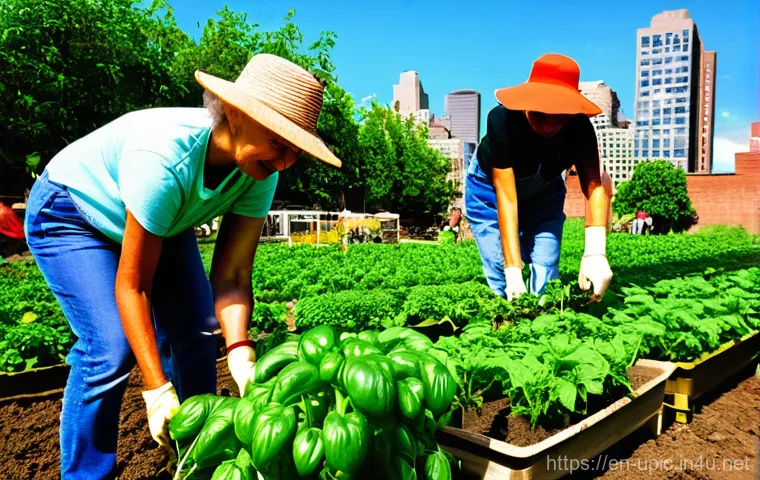
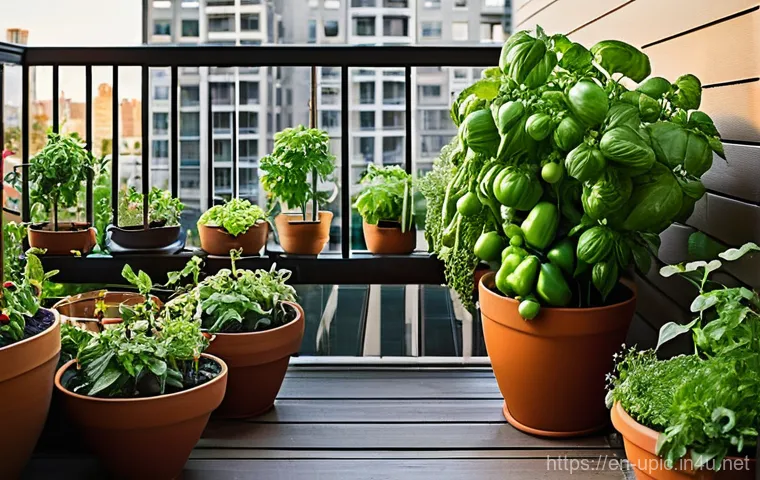
I’ve personally seen incredible transformations – from dusty old concrete patches becoming vibrant community gardens to ingenious balcony setups bursting with life.
There’s an undeniable satisfaction in nurturing something from a tiny seed to a bountiful harvest, and when it happens in your urban environment, it feels even more profound.
It connects you to nature in a deeply personal way, even amidst the hustle and bustle.
Starting Your Own Urban Oasis
If you’ve ever felt that itch to grow something, trust me, now is the time to start. You don’t need acres of land; a sunny windowsill, a small balcony, or even a shared community plot can be your starting point.
I remember my first attempt at a container garden on my tiny apartment patio. I started with a few pots of basil, mint, and some cherry tomatoes. There were definitely a few learning curves – too much water here, not enough sun there – but the excitement of seeing those first sprouts, then the tiny flowers, and finally the fruit, was truly exhilarating.
It’s a journey of discovery, and every mistake is just a lesson learned. Plus, the flavor of homegrown herbs and vegetables is simply incomparable to anything you’ll find at the supermarket.
It’s a difference you can taste, a freshness that truly elevates your cooking and your experience.
Finding Your Community Green Space
Beyond your own personal patch, urban areas are increasingly dotted with fantastic community gardens. These aren’t just places to grow food; they’re vibrant social hubs.
I once spent a delightful afternoon at a community garden in London, chatting with various gardeners, all from different walks of life, sharing tips on composting and battling pesky slugs.
Everyone had their own little plot, but there was a wonderful sense of collective ownership and camaraderie. Children were running around, excitedly showing off their newly sprouted peas, and older folks were sharing decades of gardening wisdom.
It’s a beautiful testament to how urban farming can foster strong local bonds, bringing people together over a shared passion for growth and greenery.
It truly felt like an extension of my own living space, a place where people genuinely cared for each other and the earth.
Beyond the Backyard: Innovative Urban Farm Models
Urban farming isn’t just about small personal plots; it’s evolving into some incredibly imaginative and large-scale operations that are revolutionizing how we think about food production in cities.
We’re talking about spaces that defy traditional farming boundaries, turning forgotten areas into productive hubs. From towering structures filled with leafy greens to repurposed warehouses brimming with fish and vegetables, the innovation is staggering.
It’s a testament to human ingenuity when faced with limited space and a growing need for sustainable food sources. These innovative models aren’t just feeding communities; they’re often becoming educational centers and even tourist attractions, showcasing what’s possible when we dare to think differently about agriculture.
Exploring Vertical and Rooftop Farms
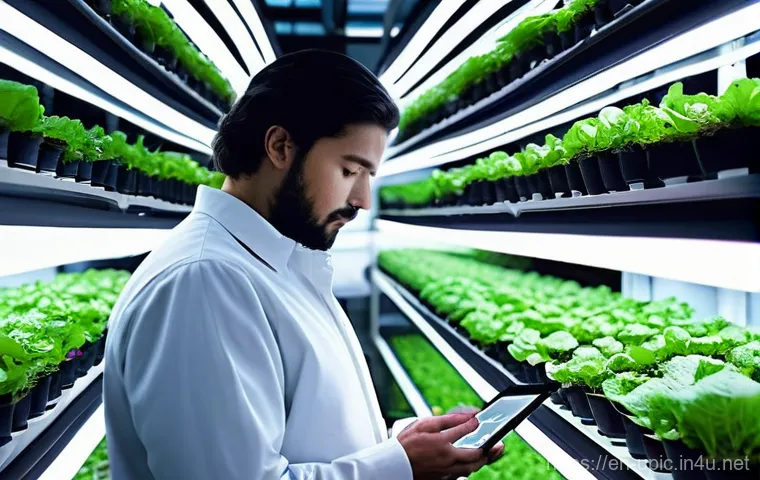
One of the most visually striking innovations I’ve encountered is the vertical farm. Imagine shelves upon shelves of vibrant green lettuce, herbs, and even strawberries, all growing under specialized LED lights within a climate-controlled environment, often in a building that was once used for something entirely different.
It’s like something out of a sci-fi movie, but it’s very real and incredibly efficient. I visited a vertical farm in Vancouver a couple of years ago, and I was absolutely mesmerized.
The air was fresh, the plants were perfect, and the sheer volume of produce they were cultivating in such a small footprint was astounding. Similarly, rooftop farms are transforming urban skylines.
Think about the unused space on top of buildings – now picture that space covered in bountiful gardens. Restaurants are increasingly growing their own produce right on their roofs, ensuring the absolute freshest ingredients for their menus, literally farm-to-table in minutes.
It’s not only sustainable but also creates beautiful green spaces high above the city streets.
Hydroponics and Aquaponics: The Future is Water
Delving deeper into these high-tech solutions, hydroponics and aquaponics are truly fascinating. Hydroponics involves growing plants without soil, using nutrient-rich water instead.
It uses significantly less water than traditional farming and allows for precise control over the nutrients plants receive. I’ve experimented with a small hydroponic system at home, growing lettuce and bell peppers, and the growth rate was incredible!
Then there’s aquaponics, which takes it a step further by combining aquaculture (raising fish) with hydroponics. The fish waste provides nutrients for the plants, which in turn filter the water for the fish.
It’s a beautiful, symbiotic relationship that creates a self-sustaining ecosystem. The first time I saw an aquaponics system, I was blown away by its cleverness – fresh fish and fresh greens, all from one integrated system.
These methods are paving the way for extremely efficient, water-saving agriculture that can thrive anywhere.
Feasting Fresh: Urban Agritourism Experiences to Savor
For those of us who love both good food and unique experiences, urban agritourism is an absolute game-changer. It’s where the joy of travel meets the goodness of local, freshly grown produce, all without ever leaving the city or its immediate surrounds.
No long drives to rural farms necessary! It’s about experiencing the farm-to-table movement in the most direct way possible, often right where the food is grown.
I’ve found these experiences to be incredibly enriching, offering a chance to not only taste amazing food but also to understand the passion and effort that goes into cultivating it.
It’s not just a meal; it’s an educational and sensory adventure that stays with you long after the last bite.
Hands-On Workshops and Farm-to-Table Dining
Imagine spending a Saturday morning learning how to make your own kombucha using ingredients from an urban farm, or taking a class on organic pest control in a community garden.
These hands-on workshops are a fantastic way to acquire new skills while connecting with the source of your food. I once participated in a mushroom cultivation workshop at a repurposed warehouse farm in Sydney, and it was so much fun!
I learned so much and even took home my own mushroom growing kit. Then, there’s the farm-to-table dining component, which is truly a highlight. Many urban farms host dinners or have cafes where you can literally eat produce that was harvested just hours before.
The freshness is unparalleled, and there’s a wonderful story behind every dish. I recall a dinner at a rooftop farm restaurant in New York City where every course was a celebration of what they grew upstairs; the flavors were so vibrant, it felt like tasting nature itself.
Pick-Your-Own Adventures in the City
One of my absolute favorite urban agritourism activities is pick-your-own. It’s not just for apple orchards anymore! Many urban farms now offer “U-Pick” experiences for everything from berries and herbs to specialty vegetables.
It’s a fantastic outing for families, friends, or even a solo mindful escape. There’s something incredibly therapeutic about wandering through rows of lush plants, hand-picking your own produce.
You get to choose the perfect items, and there’s an instant connection to the food you’re about to enjoy. I recently took my niece to an urban berry farm just outside Portland, Oregon, and she absolutely loved it.
Her little basket was overflowing with sun-warmed raspberries and blueberries, and we spent the afternoon making jam together. It’s a simple pleasure that creates lasting memories and a deeper appreciation for where our food really comes from.
It’s truly a wholesome experience for everyone involved.
Cultivating Community: Social Benefits of City Farms
Urban farming isn’t just about growing food; it’s profoundly about growing community. I’ve witnessed firsthand how these green spaces become catalysts for social connection, bringing together diverse groups of people who might otherwise never interact.
They transform neglected plots of land into vibrant hubs where neighbors share laughter, swap stories, and learn from one another. In an increasingly digital world, these physical spaces offer a crucial antidote to isolation, fostering a sense of belonging and collective purpose.
It’s truly heartwarming to see how a shared passion for gardening can break down barriers and build bridges between people.
Building Bridges Through Green Spaces
There’s a unique camaraderie that blossoms in community gardens. I remember volunteering at a garden in downtown Toronto where people from all walks of life – retirees, young professionals, immigrant families – worked side-by-side.
Language barriers often melted away as we communicated through gestures and shared tasks. One older gentleman, who had gardened his entire life in his home country, taught me an ingenious way to stake tomatoes, a technique I still use today.
These spaces become informal classrooms and support networks, where skills are passed down, friendships are forged, and everyone contributes to a common goal.
It’s a powerful reminder that our shared humanity often thrives in the simplest, most earthy settings. The sense of collective achievement when a harvest comes in is truly infectious.
Addressing Food Insecurity and Education
Beyond the social connections, urban farms play a vital role in addressing food insecurity within cities. Many urban farms operate in areas designated as “food deserts,” providing fresh, affordable, and nutritious produce to residents who might otherwise have limited access to healthy options.
I’ve seen programs where community members can volunteer for a few hours and take home a share of the harvest, or where surplus produce is donated to local food banks.
Moreover, these farms are incredible educational resources. They teach children and adults alike about where their food comes from, sustainable practices, and the importance of healthy eating.
It’s a living laboratory right in the city. Watching kids light up as they pull a carrot from the soil for the first time is just magical; it’s a lesson that sticks with them far more than any textbook ever could.
Smart Greens: Technology’s Role in Urban Agriculture
The intersection of technology and urban farming is creating some truly incredible possibilities, pushing the boundaries of what we thought was achievable in city environments.
It’s not just about getting your hands dirty anymore; it’s about leveraging cutting-edge tools to make urban agriculture more efficient, productive, and sustainable.
When I first heard about AI being used in farming, I was a bit skeptical, thinking it might take away from the natural charm. But after seeing it in action, I’m convinced that technology is a powerful ally, helping us grow more food with fewer resources, all while minimizing our environmental footprint.
Precision Farming with AI and IoT
Imagine sensors constantly monitoring the exact needs of each plant – soil moisture, nutrient levels, light exposure, and temperature – and then automatically adjusting conditions for optimal growth.
That’s the reality of precision farming powered by the Internet of Things (IoT) and artificial intelligence (AI). I saw a demonstration at a tech-enabled urban farm near San Francisco where tiny cameras were even detecting early signs of plant disease, allowing for immediate, localized treatment, preventing widespread issues.
This level of granular control means less waste – less water, less fertilizer, less energy – and healthier, more abundant crops. It really is quite brilliant how AI can analyze vast amounts of data to make split-second decisions that would be impossible for a human farmer to manage across hundreds or thousands of plants.
It takes the guesswork out of farming and brings a scientific precision that’s incredibly exciting for urban environments.
Automated Systems and Environmental Control
Beyond individual plant care, technology is enabling fully automated and environmentally controlled urban farming systems. Think about vertical farms or greenhouses where everything from irrigation and lighting cycles to CO2 levels and humidity is precisely managed by a central system.
This allows for year-round production, regardless of external weather conditions. It also means we can grow crops that might not naturally thrive in a given urban climate.
I visited a facility in Chicago that was growing tropical herbs in the dead of winter, thanks to their sophisticated environmental controls. It felt like stepping into a different world.
These systems not only maximize yield but also significantly reduce the “food miles” – the distance food travels from farm to plate – which is a huge win for sustainability and local food security.
The consistency and quality of the produce from these highly controlled environments are truly impressive, offering a fresh taste of the future.
Harvesting Health: The Nutritional Edge of Local Produce
Let’s be honest, we all want to eat better, right? And when it comes to nutrition, freshness is king. That’s where urban farming truly shines.
The produce you get from an urban farm often travels mere blocks, not thousands of miles, meaning it’s picked at its peak ripeness and gets to your plate almost immediately.
This isn’t just a luxury; it has a real, tangible impact on the nutritional value of our food. I’ve noticed a significant difference in the vibrancy and flavor of produce I’ve sourced directly from local urban gardens compared to what I typically find in large supermarkets.
It makes healthy eating not just a chore but a genuine pleasure, and it’s something I truly advocate for everyone to experience.
Maximizing Nutrients and Flavor
When fruits and vegetables are harvested, their nutritional content immediately begins to decline. Every day they spend in transit or storage means a gradual loss of vitamins, minerals, and antioxidants.
Urban farming dramatically shortens this journey. When you pick a lettuce from a rooftop garden and eat it for lunch, you’re getting a nutritional powerhouse that hasn’t had time to degrade.
The flavors are also incredibly intense and vibrant. I vividly remember biting into a bell pepper from a community garden; it was crisp, sweet, and bursting with a flavor far richer than any I’d ever tasted from a conventional grocery store.
This direct connection to source allows for optimal ripeness, which translates directly to superior taste and health benefits. It makes healthy eating so much more appealing when your food tastes this good.
Reducing Exposure to Pesticides and Chemicals
Another significant advantage of sourcing food from urban farms, especially community gardens or smaller operations, is the often-reduced exposure to harmful pesticides and chemicals.
Many urban farms prioritize organic or sustainable growing practices, focusing on natural pest control and soil health. While not all urban farms are certified organic, the transparent nature of many of these operations allows you to easily inquire about their growing methods.
I’ve always felt a greater sense of peace of mind knowing exactly how my food was grown and what, if anything, was used to protect it. It’s reassuring to know that the produce I’m bringing home is not only fresh but also grown with care for both my health and the environment.
This emphasis on cleaner growing methods is a huge draw for me, and I know many others feel the same way.
From Seed to Success: Starting Your Own Urban Farm Project
If you’ve been inspired by all this talk of vibrant urban greens and community spirit, you might be thinking, “Could I actually do this?” And my enthusiastic answer is, absolutely!
Starting your own urban farm project, no matter how small, is an incredibly rewarding journey. It’s more than just growing plants; it’s about learning, connecting, and contributing to a healthier, greener urban landscape.
I’ve met so many people who started with a single pot on a balcony and now manage thriving community plots or even small businesses. The beauty of urban farming is its scalability and adaptability, meaning there’s a starting point for everyone.
Planning Your Project: What to Grow and Where
The first step, like any good adventure, is planning. Consider your available space – a windowsill, a fire escape, a balcony, a small yard, or even a shared community garden plot.
Next, think about what you *love* to eat! Start with easy-to-grow, high-yield plants like leafy greens (lettuce, spinach), herbs (basil, mint, cilantro), or quick-growing vegetables like radishes and bush beans.
I personally started with herbs because they’re forgiving and instantly elevate my cooking. Research your local climate and planting zones to ensure your chosen crops will thrive.
Don’t be afraid to start small. My mantra is “start where you are, use what you have, do what you can.” Overthinking can be the biggest barrier, so just take that first step.
Essential Tools and Resources for Urban Gardeners
You don’t need a massive investment to get started. Basic tools include a good quality hand trowel, pruning shears, a watering can, and suitable containers if you’re doing container gardening.
For soil, look for organic potting mixes that are specifically designed for vegetables and herbs. Don’t skimp on good soil; it’s the foundation of healthy plants.
Beyond physical tools, the internet is a goldmine of information. Look for local urban farming groups online, attend workshops at local garden centers, or follow experienced urban gardeners on social media.
I’ve learned so many invaluable tips from fellow gardeners sharing their successes and failures. There are also fantastic online resources and books that can guide you through every step, from seed starting to pest management.
Remember, you’re not alone in this green adventure; a whole community is ready to support you.
Urban Farming and Its Impact on City Living
It’s undeniable how much urban farming can transform our cities. It’s not just about patches of green popping up; it’s about a fundamental shift in how we interact with our environment, our food, and each other.
The vibrancy these initiatives bring to concrete jungles is something truly special. I’ve seen areas that felt grey and uninviting become lively, colorful spaces that draw people in and foster a sense of pride.
This movement is far more than a trend; it’s a vital part of building more resilient, sustainable, and enjoyable urban futures for everyone.
Revitalizing Urban Spaces and Aesthetics
One of the most immediate impacts of urban farming is the sheer aesthetic improvement it brings. Transforming vacant lots, forgotten rooftops, or even underutilized public spaces into flourishing gardens is like giving the city a much-needed breath of fresh air.
The visual appeal of lush greenery, colorful flowers, and bountiful produce can dramatically enhance the beauty of a neighborhood. I remember a particularly grim stretch of abandoned storefronts that was transformed by a “guerrilla gardening” group.
Suddenly, there were edible plants spilling out of planters, vibrant murals, and seating areas where people could relax. It truly elevated the entire block and made it feel safer and more welcoming.
It proves that a little green can go a very long way in making our cities more beautiful and livable.
Economic Benefits and Local Economies
Beyond the visual and social perks, urban farming offers significant economic advantages, particularly for local economies. It creates jobs, from farm managers and educators to distributors and market vendors.
Local produce sold at farmers’ markets or directly to restaurants keeps money circulating within the community. It reduces transportation costs and carbon footprints associated with long-distance food delivery.
I’ve spoken with many urban farmers who started small and have grown into successful local businesses, providing fresh produce and employment opportunities.
It’s a fantastic example of sustainable entrepreneurship that benefits everyone. Supporting an urban farm isn’t just about getting fresh food; it’s about investing in your local economy and strengthening the fabric of your community.
| Urban Farming Method | Key Features | Ideal For |
|---|---|---|
| Rooftop Gardens | Utilizes unused building spaces; often uses raised beds, containers. Reduces urban heat island effect. | Residential buildings, restaurants, community centers seeking green spaces and localized food production. |
| Vertical Farms | Multi-layered growing systems, typically indoors with controlled climate. High yield in small footprint. | Commercial operations, high-density areas, year-round production of leafy greens, herbs, berries. |
| Community Allotments | Shared plots of land rented by individuals/families. Fosters social interaction and local food access. | Home gardeners, educational programs, community building, diverse crop cultivation. |
| Hydroponics/Aquaponics | Growing without soil (water-based nutrients) and often integrating fish farming. Water-efficient. | Controlled environments, rapid growth, specialty crops, educational settings. |
| Community Supported Agriculture (CSA) | Direct partnership between consumers and local farms. Members pay in advance for a share of harvest. | Supporting local farmers, consistent access to fresh, seasonal produce, building farm-to-consumer relationships. |
Wrapping Things Up
This journey into urban gardening has truly been an eye-opener, hasn’t it? From those first tentative seeds on my balcony to witnessing massive vertical farms changing cityscapes, it’s clear that growing food in our urban environments is more than just a hobby; it’s a movement. It connects us to nature, to our communities, and to the very essence of what sustains us. If there’s one thing I hope you take away from this, it’s that you don’t need a sprawling backyard to make a difference or to experience the sheer joy of a homegrown harvest. Just start small, be patient, and watch the magic unfold. It’s truly a fulfilling endeavor that nourishes both body and soul, and honestly, the taste of a homegrown tomato is worth every bit of effort!
Useful Information to Know
1. Start small, think big! Don’t feel pressured to turn your entire balcony into a farm overnight. A single pot of basil on your windowsill can be incredibly rewarding and a fantastic way to dip your toes into the world of urban gardening. You’ll learn so much from just that one plant!
2. Embrace community gardens! These are not just plots of land; they’re vibrant social hubs where you can swap tips, make new friends, and learn from experienced gardeners. It’s an invaluable resource for both knowledge and connection, fostering social cohesion and even contributing to economic stability by reducing grocery bills.
3. Water wisely. Overwatering is a common beginner mistake. Stick your finger an inch or two into the soil; if it feels dry, then it’s time to water. Good drainage is key to preventing root rot, especially in containers, ensuring your plants thrive.
4. Compost is your plant’s best friend. Even in an urban setting, you can start a small vermicompost (worm bin) or use a countertop composter for kitchen scraps. Your plants will thank you with healthier growth and more abundant harvests, contributing to a more circular and sustainable city ecosystem.
5. Experiment with what you eat! Try growing a vegetable or herb you’ve never tried before. The thrill of harvesting something new, especially when it tastes so fresh, is part of the adventure and encourages you to expand your culinary horizons. Consider high-yielding, high-value crops like leafy greens or microgreens for maximum impact in limited space.
Key Takeaways
Urban farming is truly a multifaceted powerhouse, transforming our cityscapes, enriching our lives, and bolstering local economies. We’ve seen how accessible it is for individuals to start their own green patches, fostering a deep connection with nature and fresh food. Furthermore, innovative methods like vertical farms and hydroponics are revolutionizing food production, making sustainable and highly efficient agriculture possible in even the densest urban environments. These advanced technologies, including IoT sensors and AI, optimize resource use and boost crop yields year-round. Beyond the harvest, these initiatives cultivate strong communities, address food insecurity by providing access to nutritious food, and provide invaluable educational opportunities, ultimately paving the way for healthier, more resilient, and beautiful cities. It’s an investment in our future, one delicious bite at a time, enhancing public health and promoting environmental sustainability.
Frequently Asked Questions (FAQ) 📖
Q: s and answers, structured in a friendly, human-like style, reflecting my persona as an English blog influencer, and incorporating the elements requested.Q1: What exactly is urban farming, and why should I be excited about it right now?
A: Oh, this is one of my favorite topics! At its heart, urban farming, or urban agriculture as some folks call it, is all about growing, processing, and even distributing food right within our bustling cities and their nearby suburbs.
We’re talking about everything from gorgeous rooftop gardens and super-efficient vertical farms to charming community allotments and clever hydroponic systems.
It’s a huge deal because, let’s be real, our cities are growing fast, climate change is a constant concern, and we all crave fresh, local food that we can trust.
I mean, who doesn’t love knowing exactly where their salad came from? This isn’t just a niche hobby anymore; the global urban farming market is absolutely booming, projected to hit a whopping $173.18 billion in 2025!
It’s becoming such a vital solution for our future, making our food systems more sustainable and resilient. It’s all about bringing food production closer to home, which helps cut down on those “food miles” and makes cities greener, healthier places to live.
I’ve personally seen how these initiatives are turning overlooked urban spaces into vibrant, productive oases, and honestly, it’s nothing short of inspiring.
Q: I live in a city and don’t have a big backyard. How can I still get involved or experience urban farming?
A: That’s a fantastic question, and trust me, you don’t need a sprawling farm to dive in! One of the most exciting developments I’ve been following is “urban agritourism.” It’s basically where you get to merge sustainable living with amazing travel experiences, all without leaving the city!
Imagine enjoying a delicious farm-to-table dinner where the ingredients were grown just feet away on a city rooftop, or getting your hands dirty in a workshop learning how to compost or set up your own hydroponic system.
You can even find places where you can pick your own fresh produce in a community garden. I remember visiting a small urban farm in Brooklyn myself. It was on a rooftop, and they were growing the most incredible herbs and vegetables.
The freshness and flavor were truly a revelation, unlike anything I’d ever tasted from a grocery store. But what really stuck with me was the palpable sense of community.
People were chatting, sharing gardening tips, and just genuinely enjoying being together. It’s a brilliant way to reconnect with nature, see firsthand where your food comes from, and support local businesses, all while making new connections and enjoying a unique outdoor adventure.
Even if you start small with a few pots on a balcony, every little bit helps build a more vibrant, food-secure city.
Q: What does the future hold for urban agriculture, and how will it impact my daily life?
A: The future of urban agriculture is incredibly exciting, almost like something out of a sci-fi movie, but totally real! We’re talking about it becoming more and more integrated with “smart city” initiatives.
Think about it: AI platforms, IoT sensors, and even drones are going to be leveraging technology for precision farming, making urban farms super efficient.
We’ll see advanced vertical farms that can grow an even wider variety of crops using less water and land than ever before. This isn’t just cool tech; it’s about making sure our food systems are more resilient and sustainable.
For you, this means access to even fresher, healthier, locally grown food, potentially year-round, right in your neighborhood. It means less reliance on long-distance transportation for produce, which is fantastic for the environment.
And honestly, it also means more green spaces popping up in unexpected places, improving air quality and simply making our cities more beautiful and livable.
The goal is to build truly sustainable local food systems that can adapt to whatever environmental challenges come our way. I’m really looking forward to seeing how these innovations will continue to transform our urban landscapes, creating a healthier, more connected future for all of us.